

Why Ship Chandling Matters During a Port Call
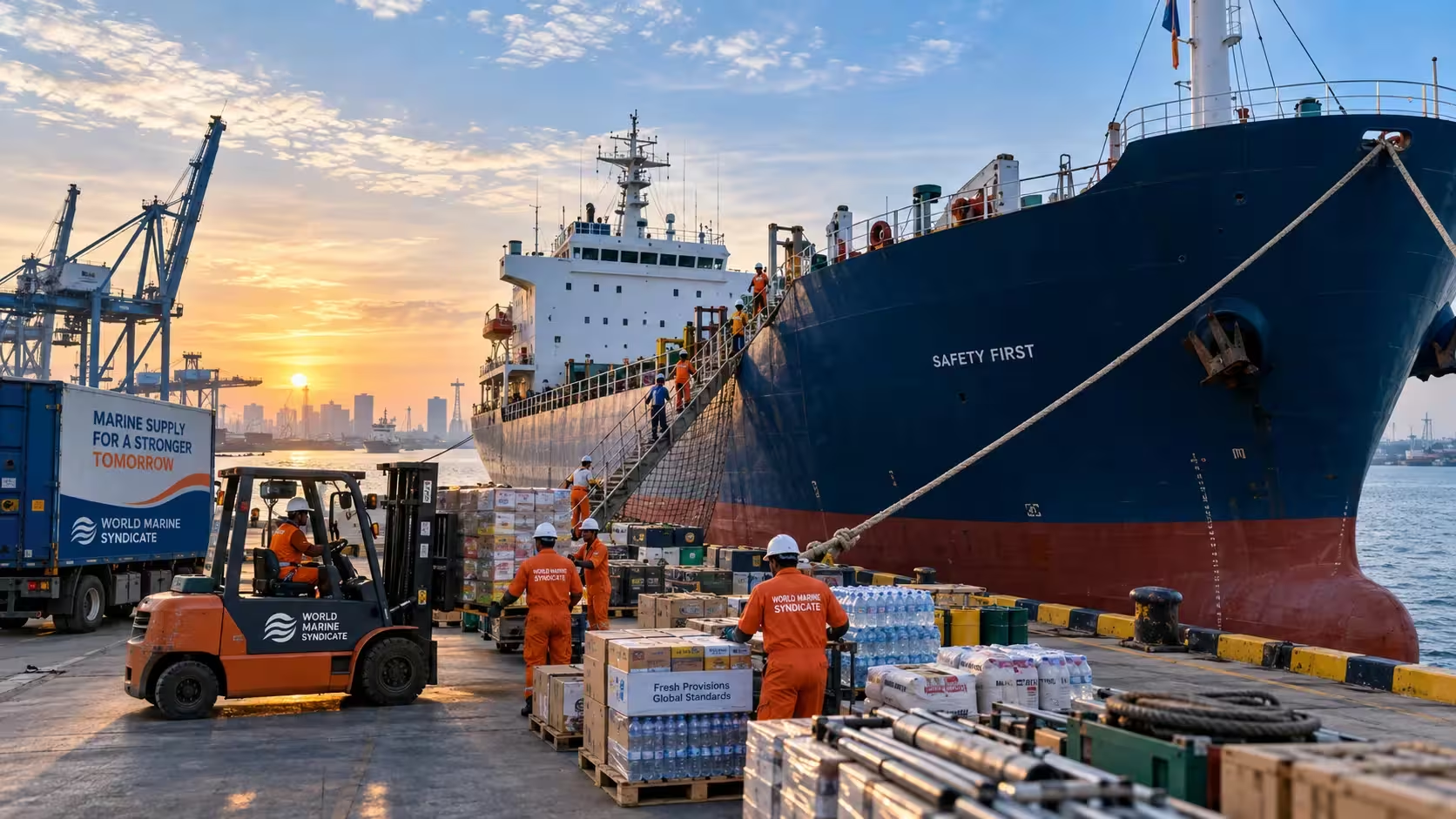
A vessel’s port call is often a carefully coordinated operation where timing, communication and availability matter. While cargo operations, inspections, crew requirements and technical activities are taking place, vessels may also require a wide range of supplies and support services.
This is where reliable ship chandling becomes an important part of marine operations.
Ship chandlers help vessel owners, operators, managers and agents source and coordinate essential supplies required during a vessel’s stay at port. When handled efficiently, these requirements can be arranged without creating unnecessary delays to the wider port-call schedule.
For vessels calling at Bangladesh’s ports, having a responsive local marine supplier can make communication and coordination considerably more straightforward.
What Does a Ship Chandler Provide?
Ship chandling covers a broad range of supplies used to support vessels and their crews. The exact requirement varies depending on the vessel type, voyage, crew needs and operational schedule.
Provisions and Galley Supplies
Fresh provisions, packaged food, beverages and galley-related requirements are common parts of vessel supply. Proper coordination helps ensure that requested items are prepared and delivered according to the vessel’s requirements and port schedule.
Deck and Engine Supplies
Vessels may require a variety of operational and maintenance-related supplies during a port call. Deck stores, engine-room consumables, tools and other technical items can be coordinated according to the specifications provided by the vessel or technical team.
Safety and Operational Requirements
Safety equipment and operational supplies are another important area of marine support. Requirements may include personal protective equipment, safety-related items and other supplies needed for vessel operations.
The key is not simply supplying an item, but understanding the specification and coordinating the correct requirement within the available time.
Why Timing and Communication Matter
Marine operations rarely happen in isolation. A change in berthing time, vessel schedule or operational requirement can affect several suppliers and service providers at the same time.
For this reason, communication is an important part of effective ship supply.
A responsive marine supplier should be able to:
- Understand the vessel’s requirement clearly
- Confirm availability and specifications
- Coordinate with the appropriate suppliers
- Provide timely updates
- Arrange delivery according to the agreed schedule
- Respond when requirements change
Clear communication helps reduce uncertainty and allows vessel operators and agents to focus on the wider port-call operation.
Supporting Vessels Across Bangladesh
Bangladesh has several important maritime locations where vessels require different forms of marine support. Chittagong, Mongla, Payra and Matabari each serve different operational requirements within the country’s maritime network.
Local coordination can be particularly valuable when a vessel requires supplies or support within a limited port-call window.
At World Marine Syndicate, our approach is centered on understanding the requirement, coordinating the appropriate resources and providing practical support through a clear point of contact.
Our operational coverage across key Bangladesh ports allows marine requirements to be communicated with designated local teams and coordinated according to the needs of the vessel.
A Practical Approach to Marine Supply
Reliable ship chandling is ultimately about more than delivering products.
It involves coordination.
From the initial enquiry to final delivery, every requirement needs to be understood, communicated and handled with attention to timing and specification.
A straightforward process can help:
01 — Enquiry
The vessel, operator or agent provides the required items, specifications, quantity and expected delivery timing.
02 — Coordination
The requirement is reviewed and coordinated with the appropriate supply and operational teams.
03 — Supply
The requested items are sourced and prepared according to the agreed requirements.
04 — Delivery
The supplies are delivered according to the agreed port-call arrangements.
This structured approach helps keep the process clear for everyone involved.
Choosing the Right Marine Supply Partner
For vessel operators and marine agents, reliability often comes down to practical factors: communication, responsiveness, product availability, coordination and delivery.
A marine supplier should understand that vessel requirements can change quickly and that port operations do not always follow conventional business hours.
Having a dependable point of contact can make it easier to communicate requirements and respond when schedules or operational priorities change.
Supporting Better Port Operations
Every vessel has its own operational requirements. Some port calls may involve routine provisions and deck supplies, while others may require technical materials, safety equipment or additional marine services.
The role of a ship chandler is to help coordinate these requirements efficiently and professionally.
With the right local support, vessel owners, operators, managers and marine agents can maintain a clearer supply process and reduce unnecessary coordination challenges during port calls.
Conclusion
Reliable ship chandling is an important part of keeping vessel operations supplied during a port call. Effective marine supply combines product availability with communication, coordination and timely delivery.
For vessels operating through Bangladesh’s key ports, local knowledge and responsive support can help ensure that essential requirements are handled efficiently.
World Marine Syndicate provides ship chandling, marine supply and operational support across Chittagong, Mongla, Payra and Matabari, with a focus on dependable service, professional communication and practical port-side coordination.